SBR Foam: Full Form, Properties, Uses and Applications
SBR foam is a versatile synthetic rubber-based material used in applications that require cushioning, flexibility, abrasion resistance, and vibration control. From industrial components to selected construction and flooring applications, it offers practical solutions for businesses looking for reliable rubber-based materials.
Understanding the properties, composition, and applications of SBR foam can help manufacturers, builders, and procurement professionals choose the right material for their projects. Fusion Foams helps businesses explore foam material requirements based on their intended applications, dimensions, and performance expectations.
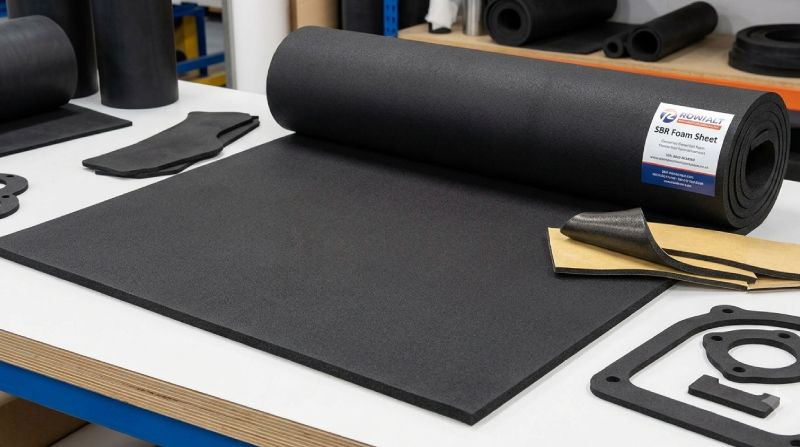
What Is SBR Foam?
SBR foam is a cellular material made using Styrene Butadiene Rubber (SBR), a synthetic rubber produced from styrene and butadiene. Its cellular structure gives it cushioning and compressibility, making it suitable for selected applications involving padding, sealing, spacers, and vibration reduction.
The performance of SBR foam depends on factors such as density, thickness, cell structure, formulation, and manufacturing process. Different grades may offer different levels of flexibility, resilience, and resistance to environmental conditions.
SBR foam should not be confused with solid SBR rubber. Although both use the same underlying rubber family, foam contains a cellular structure, while solid rubber is generally denser. The correct choice depends on whether an application needs cushioning, compression, sealing, or the mechanical properties of solid rubber.
What Is the Full Form of SBR?
The full form of SBR is Styrene Butadiene Rubber.
SBR is a synthetic copolymer made from two monomers: styrene and butadiene. Styrene contributes to the material's hardness and mechanical characteristics, while butadiene contributes to flexibility and resilience. Their proportions and the manufacturing process influence the properties of the resulting rubber.
SBR is widely used in rubber manufacturing, including tires, footwear components, industrial rubber products, and various molded or fabricated parts. When processed into foam, the material can provide additional benefits associated with its cellular structure, such as cushioning and reduced material weight.
Key Properties of SBR Foam
Before selecting SBR foam for an industrial or commercial project, it is important to understand its relevant properties.
1. Cushioning and Shock Absorption
SBR foam can compress under pressure, helping absorb impacts and provide cushioning in suitable applications. Depending on the grade, it may be used in protective padding, equipment supports, and selected packaging or industrial components.
2. Abrasion Resistance
SBR is known for its useful abrasion resistance in many rubber applications. The actual wear performance of SBR foam, however, depends on its formulation, surface structure, and intended operating conditions.
3. Flexibility and Resilience
Suitable grades can provide flexibility and recover after compression. This makes SBR foam worth considering for applications where repeated compression or cushioning is required.
4. Vibration Reduction
SBR foam may help reduce the transmission of vibration in selected installations. Its suitability depends on factors such as load, compression, operating frequency, and installation design.
5. Water and Environmental Resistance
Water resistance varies by foam grade and cell structure. Some formulations may offer good resistance to water penetration, but SBR foam should not automatically be considered waterproof or suitable for prolonged outdoor exposure. Compatibility with oils, fuels, ozone, chemicals, and temperature extremes should also be evaluated before use.
What Are the Common Uses of SBR Rubber and SBR Foam?
SBR rubber and SBR foam serve different purposes across industrial and commercial sectors. Common applications include the following.
Industrial Sealing, Gaskets, and Spacers
Selected SBR foam grades can be used for cushioning layers, spacers, and sealing components where the material meets the application's compression and environmental requirements.
Construction and Building Applications
In construction, suitable rubber foam products may be considered for flooring underlays, joint-related applications, cushioning, and vibration control. Builders should verify the grade's suitability for the expected load, moisture exposure, temperature, and installation conditions.
Automotive and Machinery Components
SBR rubber is widely associated with automotive and mechanical applications. SBR foam may also be considered for selected padding, vibration-control, and protective components, provided the grade meets the required performance specifications.
Protective Padding and Equipment Support
Where cushioning is required, SBR foam can be evaluated for protective layers, equipment supports, and other fabricated components. The required thickness and firmness will depend on the application.
It is important to distinguish these foam applications from solid SBR rubber uses. For example, tires and many conveyor belt components are applications of rubber compounds, not necessarily SBR foam.
SBR Foam for Construction: What Should Builders Consider?
Builders and contractors should assess more than just the price of SBR foam. The right specification can influence performance, service life, and overall project costs.
Before purchasing, consider:
Density and hardness: Choose according to the required compression and support.
Thickness and dimensions: Confirm the measurements needed for the installation.
Cell structure: Evaluate whether open-cell or closed-cell characteristics are appropriate for the application.
Environmental conditions: Check exposure to moisture, sunlight, oils, chemicals, and temperature changes.
Technical documentation: Request relevant specifications and test data for the intended use.
SBR foam is not a universal replacement for structural rubber, certified insulation, or purpose-designed waterproofing products. Always verify suitability for regulated or safety-critical construction applications.
How to Choose the Right SBR Foam Supplier in India
Finding a suitable SBR foam supplier involves more than comparing quotations. Businesses should look for clear product specifications, consistent quality, appropriate material options, and responsive technical support.
Ask potential suppliers about available thicknesses, density options, sheet or roll formats, custom fabrication, minimum order quantities, and bulk supply arrangements. Request technical documentation where material performance is important to your project.
If you are searching online for SBR foam near me, compare suppliers based on product suitability, delivery arrangements, and their ability to meet your purchasing requirements.
At Fusion Foams, businesses can discuss their application requirements and identify the relevant foam specifications before proceeding with an enquiry. Sharing details about the intended use, required dimensions, operating environment, and estimated quantity helps make the selection process more efficient.
Why Contact Fusion Foams for Your Foam Requirements?
Choosing the right foam begins with understanding the job the material needs to perform. Whether your requirement relates to cushioning, industrial components, sealing applications, or construction-related uses, defining the specifications is an important first step.
Fusion Foams welcomes business enquiries from manufacturers, contractors, fabricators, and bulk buyers looking to discuss their foam material requirements.
Looking for SBR foam for your next project? Contact Fusion Foams with your required thickness, dimensions, quantity, and intended application to discuss suitable options and request a quotation.
Frequently Asked Questions About SBR Foam
What is the full form of SBR?
SBR stands for Styrene Butadiene Rubber, a synthetic rubber made from styrene and butadiene.
What are the main properties of SBR foam?
Depending on the grade, SBR foam may offer cushioning, flexibility, compression recovery, and useful resistance to wear. Performance varies by formulation and cell structure.
Is SBR foam suitable for construction?
Selected grades may be suitable for flooring underlays, cushioning, sealing-related applications, and vibration control. Always check technical specifications before installation.
What is the difference between SBR foam and solid SBR rubber?
SBR foam has a cellular structure that provides compressibility and cushioning. Solid SBR rubber is denser and is used where different mechanical properties are required.
Where can I buy SBR foam in India?
Contact foam suppliers such as Fusion Foams to discuss your application, required dimensions, material specifications, and bulk purchasing needs. Confirm availability and suitability directly with the supplier before ordering.