Neoprene Foam and Neoprene Rubber Sheet Supplier
When a material needs to balance flexibility, cushioning, water resistance, weather resistance, and durability, neoprene is often considered. But choosing the right neoprene is not simply about selecting a sheet by thickness or colour. The correct neoprene foam, neoprene fabric or neoprene rubber sheet depends on the application, environment and required performance.
Fusion Foams provides foam and rubber material solutions for applications where material performance, consistency and customisation matter.
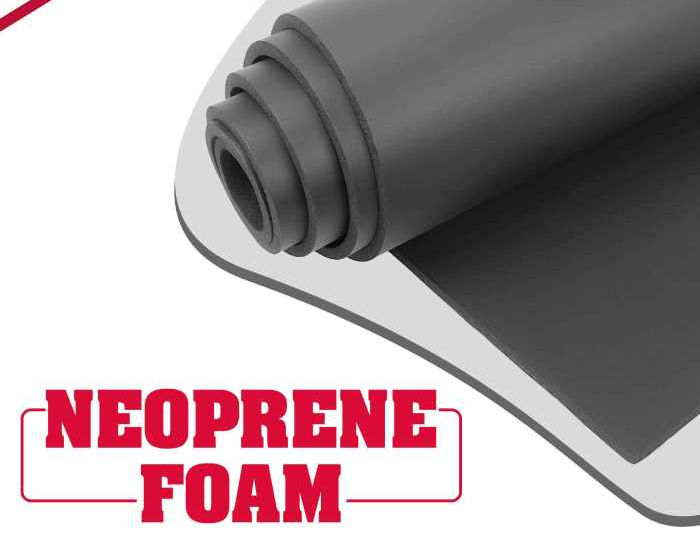
What Is Neoprene Foam?
Neoprene is a synthetic rubber also known as polychloroprene or CR (chloroprene rubber). It is produced by polymerising chloroprene and is valued for its balanced combination of mechanical and environmental resistance.
Neoprene foam is the cellular form of this material. Depending on its construction and specification, it can provide flexibility, cushioning, insulation and resistance to moisture.
Unlike solid neoprene rubber sheets, foam versions are designed where lower density, compressibility, or cushioning is important.
Key Properties of Neoprene Material
One reason neoprene continues to be used across different industries is its balanced performance rather than one single outstanding characteristic.
Flexibility and Resilience
Neoprene can flex and recover from repeated movement, making it useful for seals, protective components, cushioning, and flexible products.
Water and Moisture Resistance
Closed-cell neoprene foam can offer good resistance to water penetration and moisture, making it suitable for applications exposed to wet environments. However, the actual waterproof performance depends on factors such as construction, thickness, seams, lamination, and the specific grade.
Weather and Ozone Resistance
Neoprene generally provides good resistance to weathering and ozone, which is one reason it is used in outdoor and exposed applications.
Oil Resistance
Neoprene provides useful resistance to many oils and greases, although it should not automatically be considered the best choice for every petroleum or chemical environment. Material compatibility should always be checked against the exact application.
Cushioning and Vibration Control
Foam-grade neoprene can help absorb impact and vibration, making it useful for padding, equipment protection, and vibration-isolation applications.
Is Neoprene Waterproof?
Neoprene is generally water-resistant, but “waterproof” should not be treated as an automatic property of every neoprene product.
Closed-cell neoprene foam is particularly useful where resistance to water penetration and moisture is required. Neoprene is also used in products such as wetsuits and other water-exposed applications because of its combination of flexibility and insulation.
For a genuinely waterproof finished product, however, the complete construction matters. Material thickness, joints, seams, lamination, surface treatment, and fabrication method can all influence the final result.
If your application involves continuous water exposure, Fusion Foams can help you identify the appropriate neoprene specification instead of selecting a material based only on the word “waterproof.”
Neoprene Foam vs Neoprene Rubber Sheet
The terms are related, but the products serve different purposes.
Neoprene foam has a cellular structure and is generally selected when cushioning, flexibility, insulation, or compressibility is important.
Neoprene rubber sheet is a denser rubber material commonly used for sealing, gaskets, washers, protective components and industrial applications. Neoprene rubber sheets are available in different grades, thicknesses, and hardnesses depending on the intended use.
The right choice therefore depends on what the component needs to do—not simply on whether it is called “neoprene.”
Neoprene Fabric and Black Neoprene Fabric
Neoprene fabric generally refers to neoprene foam or rubber laminated with a textile layer. Fabric lamination can provide additional strength, handling characteristics, or dimensional stability for particular products.
Black neoprene fabric is commonly used where a durable, flexible and protective material is required.
Potential applications include:
Protective covers
Sports products
Industrial components
Flexible protective products
Insulation
Custom fabricated products
For specialised requirements, factors such as fabric type, lamination, thickness, and neoprene grade should be considered together.
Neoprene Rubber Sheet and Neoprene Gasket Applications
One of the important industrial uses of neoprene is gasket and sealing applications.
A neoprene gasket can help seal the gap between mating surfaces while accommodating minor irregularities and movement. Neoprene's flexibility, resilience, and environmental resistance make it useful for selected sealing applications.
Typical applications can include:
Industrial machinery
HVAC equipment
Automotive components
Flanges and connections
Electrical enclosures
Washers and seals
Protective equipment
Outdoor assemblies
Where Is Neoprene Foam Used?
Depending on the grade and construction, neoprene can be used in:
Industrial: gaskets, seals, vibration-control components and protective parts.
Automotive: seals, flexible components, insulation and vibration-control applications.
HVAC: sealing, insulation and flexible connections.
Marine: water-exposed seals, protective components and related products.
Sports & protective products: padding, supports and flexible protective equipment.
Electrical: selected insulation and protective applications.
The material's combination of mechanical properties and resistance to weather and ozone makes it useful across demanding environments.
How to Choose the Right Neoprene Material
Before ordering neoprene foam, fabric, or rubber sheet, consider:
Thickness: What level of cushioning, sealing, or insulation is required?
Density: Is the material required to be soft, flexible, or more supportive?
Hardness: How much compression or resistance is needed?
Environment: Will it face water, oil, sunlight, ozone, or chemicals?
Temperature: What operating temperatures will the material experience?
Construction: Is plain sheet, foam, fabric-laminated material, or a custom component required?
Dimensions: Do you need standard sheets or customised cutting?
A material supplier with application knowledge can help prevent costly mistakes caused by selecting a specification based purely on price. Visit Us
Why Choose Fusion Foams for Neoprene Solutions?
At Fusion Foams, the focus is not simply on supplying a piece of foam—it is on helping businesses identify a material suitable for their application.
Whether you need neoprene foam, black neoprene, neoprene fabric, black neoprene fabric, neoprene rubber sheets, or neoprene gasket material, discuss your required thickness, size, quantity, and application with the team.
Frequently Asked Questions About Neoprene
What is neoprene foam?
Neoprene foam is a cellular form of polychloroprene rubber used where flexibility, cushioning, insulation, and resistance to moisture are required.
Is neoprene material waterproof?
Neoprene is generally water-resistant. Closed-cell neoprene foam can provide strong resistance to water penetration, but finished-product waterproof performance depends on the complete construction.
What is neoprene fabric?
Neoprene fabric is generally neoprene foam or rubber combined with a textile layer through lamination or another construction method.
What is a neoprene rubber sheet used for?
Neoprene rubber sheets are used for applications including gaskets, seals, washers, protective components, vibration control and industrial applications.
What is a neoprene gasket?
A neoprene gasket is a sealing component made from neoprene rubber or suitable neoprene-based material. It is used to seal gaps between mating surfaces in selected industrial and commercial applications.
Is black neoprene different from regular neoprene?
Black neoprene refers primarily to the colour of the material. Its actual performance depends on the underlying neoprene grade, formulation, density, hardness, and construction.
How do I choose the right neoprene foam?
Consider the required thickness, density, hardness, temperature range, moisture exposure, chemical environment, dimensions, and intended application before selecting a grade. Visit Us - EVA Foam