Neoprene Foam Manufacturer & Supplier | Quality Neoprene Material
Choosing the right foam material is important when product performance, durability, flexibility, and protection matter. Whether you are manufacturing industrial components, automotive parts, protective equipment, or sealing products, Neoprene Foam offers a practical solution for applications that demand flexibility and resistance to moisture.
We understand that every industry has different material requirements. From Black Neoprene and Neoprene Rubber Sheets to customised foam solutions, selecting the right specifications can help improve the performance and reliability of your finished products.
If you are looking for a dependable Neoprene Foam manufacturer or supplier for your business, explore the material options and applications available with Fusion Foams.

What Is Neoprene Foam?
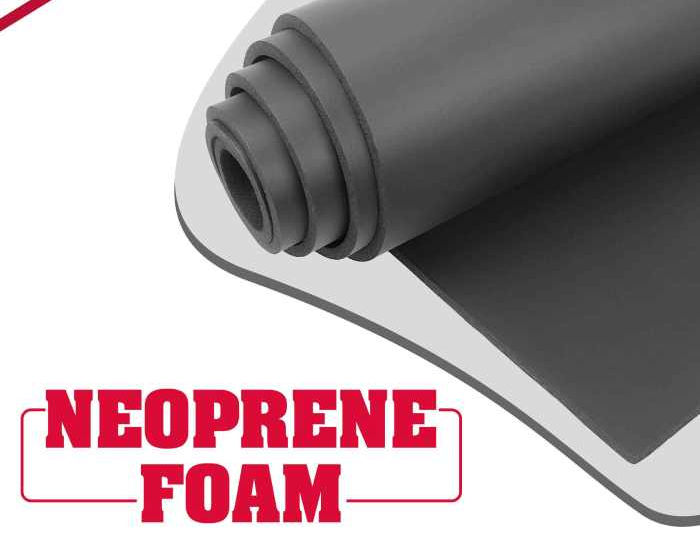
Neoprene Foam is a synthetic rubber foam made from polychloroprene, a type of synthetic rubber known for its flexibility, resilience, and resistance to environmental conditions. It is commonly used in applications where cushioning, insulation, sealing, and moisture resistance are required.
Unlike ordinary foam materials, Neoprene combines rubber-like flexibility with a cellular structure, making it suitable for a variety of industrial and commercial uses.
Depending on the application, Neoprene Foam is available in different thicknesses, densities, hardness levels, and formats. Businesses can select the appropriate material according to their product design and performance requirements.
Key Properties and Benefits of Neoprene Material
The popularity of Neoprene Material comes from its combination of useful physical properties. It can perform well in applications where flexibility and environmental resistance are important.
Key benefits include:
Water Resistance: Closed-cell Neoprene Foam helps resist water penetration and moisture absorption.
Flexibility: Its rubber-like structure allows it to bend and adapt to different surfaces.
Shock Absorption: Provides cushioning and helps absorb impact.
Thermal Insulation: Helps reduce heat transfer in suitable applications.
Durability: Offers good resistance to wear and repeated compression, depending on the formulation.
Sealing Performance: Suitable for manufacturing gaskets and protective seals.
Versatility: Can be converted into sheets, strips, gaskets, and customised components.
Black Neoprene – Flexible Material for Industrial Applications
Black Neoprene is widely used in industrial, automotive, construction, and manufacturing sectors. Its appearance, flexibility, and functional properties make it suitable for different product requirements.
Black Neoprene can be available in foam sheets, solid rubber sheets, and fabric-laminated forms. Each format serves a different purpose.
Common applications of Black Neoprene include:
Industrial cushioning and padding
Automotive seals and protective components
Machinery insulation
Rubber gaskets and washers
Equipment protection
Vibration and impact control
Neoprene Rubber Sheet – Reliable Solutions for Manufacturing
A Neoprene Rubber Sheet is commonly used for industrial sealing, cushioning, insulation, and protective applications. Its flexible structure makes it suitable for cutting, fabrication, and conversion into different shapes and sizes.
Manufacturers often prefer Neoprene Rubber Sheets when they need material that can adapt to specific product designs.
Where are Neoprene Rubber Sheets used?
Industrial gaskets and seals
Automotive components
Electrical equipment protection
Construction applications
Machinery padding
Commercial and industrial fabrication
Black Neoprene Fabric – Protection, Comfort and Flexibility
Black Neoprene Fabric generally refers to neoprene rubber laminated or bonded with textile materials. This combination provides flexibility along with a fabric surface, making it useful for specialised protective and wearable products.
It is commonly used in sports equipment, protective accessories, water-sports products, padded covers, and industrial applications.
The choice of fabric backing, neoprene thickness, and construction depends on the intended product and its performance requirements.
Neoprene Gasket – Effective Sealing for Industrial Equipment
A Neoprene Gasket is designed to create a seal between two connected surfaces. It helps reduce the entry of dust, moisture, and other external elements while accommodating minor surface irregularities.
Because Neoprene offers flexibility and compressibility, it is frequently considered for gasket manufacturing.
Common Neoprene Gasket applications include:
Automotive assemblies
Industrial machinery
HVAC systems
Electrical enclosures
Equipment panels
Construction and engineering components
Is Neoprene Material Waterproof?
Yes, Neoprene is known for its water-resistant properties. However, the level of water resistance depends on the material structure and finished product design.
Closed-cell Neoprene Foam generally offers better resistance to water absorption because its cellular structure limits the movement of water through the material.
This makes it useful for applications involving moisture, protective equipment, marine products, and water-related accessories.
However, water resistance does not automatically mean that every Neoprene product is completely waterproof. Seams, joints, surface finishes, and installation methods also influence the final performance.
Industries That Use Neoprene Foam
Neoprene Foam is used across several industries because of its flexibility, cushioning, and sealing properties.
Automotive Industry: Seals, gaskets, cushioning, and protective components.
Construction Industry: Expansion joints, insulation, and protective padding.
Electrical Industry: Enclosure seals and equipment protection.
Sports Industry: Protective equipment and padded accessories.
Marine Industry: Water-resistant components and protective applications.
Manufacturing Industry: Vibration control, insulation, and customised rubber components.
Why Choose Fusion Foams for Neoprene Foam Solutions?
Finding the right material supplier is about more than just purchasing foam. It is about getting material that matches your application, manufacturing process, and quality expectations.
Fusion Foams provides foam and rubber material solutions for industrial and commercial requirements. Whether you are sourcing Neoprene Foam, Black Neoprene, Neoprene Rubber Sheets, or material for gasket manufacturing, our team can help you explore suitable options. Visit Us
Connect with Fusion Foams to discuss:
Required material type and application
Thickness and dimensional requirements
Foam and rubber sheet options
Customised material requirements
Bulk and industrial enquiries
Frequently Asked Questions About Neoprene Foam
1. What is Neoprene Foam mainly used for?
Neoprene Foam is used for cushioning, insulation, sealing, vibration control, protective equipment, automotive components, and industrial applications.
2. Is Neoprene Material waterproof?
Neoprene offers good water resistance, particularly in closed-cell foam forms. Actual waterproof performance depends on material construction and the finished product.
3. What is the difference between Black Neoprene and Neoprene Fabric?
Black Neoprene can refer to rubber or foam material, while Black Neoprene Fabric generally has a textile layer bonded to neoprene rubber for specialised applications.
4. What are Neoprene Rubber Sheets used for?
Neoprene Rubber Sheets are used for gaskets, seals, insulation, cushioning, protective pads, and industrial components.
5. Why are Neoprene Gaskets preferred in industrial applications?
Neoprene Gaskets offer flexibility, compressibility, and resistance to moisture, making them suitable for various industrial sealing applications.
6. Can Neoprene Foam be customised?
Neoprene Foam can be converted into different sizes, thicknesses, and shapes, depending on material availability and manufacturing capabilities.
7. How do I choose the right Neoprene Foam?
Consider the application, thickness, density, hardness, cell structure, temperature exposure, and required resistance properties before selecting Neoprene Foam.
8. Where can I find a Neoprene Foam manufacturer or supplier?
You can contact Fusion Foams to discuss your Neoprene Foam requirements, material specifications, and industrial or bulk purchasing enquiries.