Neoprene Foam | Quality Neoprene Material, Rubber Sheets and Fabric
If you are searching for Neoprene Foam, black neoprene, neoprene fabric or a reliable neoprene rubber sheet, choosing the right material is essential for product performance. Different applications require different thicknesses, densities, hardness levels and material constructions.

What Is Neoprene Foam?
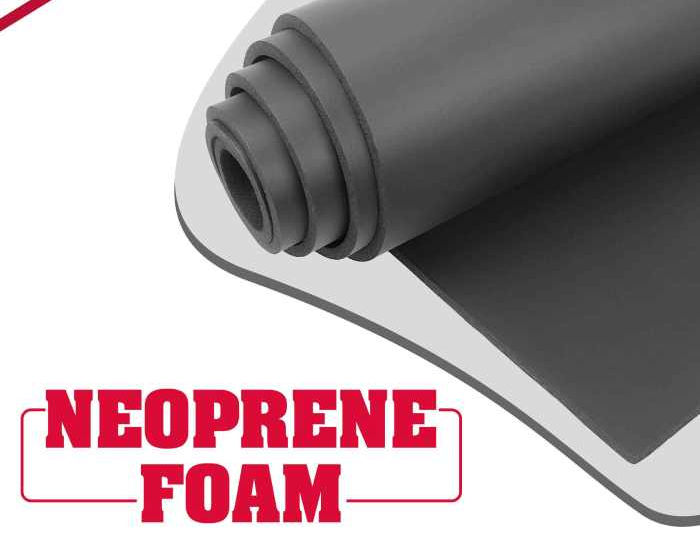
Neoprene foam is a cellular form of synthetic rubber made from polychloroprene. It combines the flexibility of rubber with the cushioning and compressibility of a foam structure.
It is used in applications where a combination of flexibility, cushioning, insulation and sealing is required. Depending on its formulation and construction, neoprene foam can offer resistance to moisture, weathering, oils and certain chemicals.
Neoprene foam is available in different densities, thicknesses, colours and sheet formats to suit specific product requirements.
Key Properties of Neoprene Foam
Flexibility: Can adapt to different shapes and surfaces.
Cushioning: Provides padding and impact absorption in suitable applications.
Sealing: Can be used to create gaskets and sealing components.
Thermal Insulation: Its cellular structure can help reduce heat transfer.
Moisture Resistance: Certain grades offer resistance to water absorption.
Versatility: Suitable for industrial, automotive, construction and protective applications.
Black Neoprene – A Versatile Rubber Foam Material
Black neoprene is commonly used in industrial and commercial applications where a flexible, dark-coloured rubber material is preferred.
Black neoprene foam can be used for padding, sealing, insulation and protective components. Its appearance also makes it suitable for products where a clean, uniform finish is required.
Common Applications of Black Neoprene
Industrial equipment padding
Protective foam components
Automotive sealing and insulation
Rubber gaskets and washers
Vibration-control applications
Protective covers and fabricated products
When selecting black neoprene, consider the required thickness, density, hardness, compression characteristics and operating conditions.
Neoprene Fabric for Protective and Industrial Applications
Neoprene fabric generally refers to a textile material laminated or bonded with a neoprene rubber layer or foam. It combines the flexibility of a textile surface with the cushioning and protective characteristics of neoprene.
Depending on its construction, neoprene fabric may be used in protective clothing, sports accessories, industrial covers and other fabricated products.
Black Neoprene Fabric – Features and Uses
Black neoprene fabric is widely used in applications where flexibility, cushioning and a consistent appearance are important.
Common applications include:
Protective sleeves and covers
Sports and fitness accessories
Bags and carrying cases
Industrial protective products
Padded equipment components
Custom textile and foam assemblies
Neoprene Material – Understanding Its Different Forms
The term neoprene material can refer to different forms of polychloroprene-based products, including solid rubber, foam sheets, fabric-laminated foam and moulded components.
Each form serves a different purpose. For example, neoprene foam is generally preferred when cushioning and compressibility are required, while solid neoprene rubber is more suitable for applications requiring a denser rubber surface.
Different Types of Neoprene Material
1. Neoprene Foam Sheets
Used for cushioning, insulation, padding and sealing applications. Available in different thicknesses and densities depending on the grade.
2. Solid Neoprene Rubber Sheets
Used for gaskets, washers, protective layers and industrial components where a solid rubber material is required.
3. Neoprene Fabric
Used in products that combine textile flexibility with rubber or foam properties.
4. Fabric-Laminated Neoprene Foam
Used in protective accessories, sports products and applications requiring a finished textile surface.
Understanding these differences helps businesses choose a material that meets their manufacturing and performance requirements.
Neoprene Rubber Sheet for Industrial Applications
A neoprene rubber sheet is a flat rubber product used in various industrial and commercial applications. It is available in different thicknesses, hardness levels and dimensions.
Neoprene rubber sheets are often selected for their flexibility and resistance to certain environmental conditions. Depending on the formulation, they may be suitable for applications involving moderate exposure to oils, weathering and moisture.
Common Uses of Neoprene Rubber Sheets
Industrial gaskets and washers
Equipment protection
Sealing components
Vibration and noise-control applications
Protective rubber layers
Machinery and fabrication components
Neoprene Gasket – Flexible Sealing Solutions
A neoprene gasket is a sealing component manufactured from neoprene rubber or neoprene foam. It is used between two surfaces to help reduce the passage of air, dust, moisture or other substances, depending on the gasket design and operating conditions.
Neoprene gaskets can be produced in different shapes and dimensions to suit specific equipment and installation requirements.
Benefits and Applications of Neoprene Gaskets
Flexible sealing for selected applications
Available in different thicknesses and shapes
Suitable for industrial equipment and enclosures
Can help reduce vibration and surface contact
Can be die-cut or fabricated according to design requirements
Why Choose Fusion Foams for Neoprene Material Solutions?
Selecting the right neoprene supplier is important for maintaining material consistency and achieving the required performance in your finished product.
Fusion Foams focuses on foam material solutions for industrial and commercial applications. Businesses can discuss their application requirements to identify suitable material options and specifications.
What to Consider When Selecting a Neoprene Supplier
Required material type: foam, solid rubber or fabric-laminated foam
Thickness and density
Hardness and compression requirements
Sheet dimensions and colour
Fabric type and surface finish
Cutting, shaping or conversion requirements
Technical specifications and application conditions
Get Neoprene Foam and Rubber Sheet Solutions
Whether you require black neoprene foam, neoprene fabric, a neoprene rubber sheet or custom neoprene gaskets, selecting the correct material is the first step towards a reliable finished product.
Fusion Foams can help you explore suitable foam material options for your industrial or commercial requirements. Share your preferred thickness, dimensions, material type and intended application to discuss the right solution. Visit Us
Frequently Asked Questions
1. What is neoprene foam used for?
Neoprene foam is used for cushioning, insulation, sealing, protective padding and vibration-control applications across automotive, industrial, construction and sports-related industries.
2. What is black neoprene?
Black neoprene is a black-coloured form of neoprene rubber or foam used in industrial, protective, sealing and cushioning applications.
3. What is neoprene fabric?
Neoprene fabric is generally a textile material laminated or bonded with neoprene rubber or foam. It is used in protective accessories, sports products, covers and fabricated components.
4. What is the difference between neoprene foam and neoprene rubber sheets?
Neoprene foam has a cellular structure that makes it lighter and more compressible. A solid neoprene rubber sheet has a denser structure and is used where a solid rubber surface is required.
5. What is black neoprene fabric used for?
Black neoprene fabric is used in protective covers, sports accessories, padded bags, sleeves and industrial products that require a flexible fabric-and-rubber construction.
6. What is a neoprene gasket?
A neoprene gasket is a sealing component made from neoprene rubber or foam. It is used between surfaces to help prevent leakage or the entry of dust and moisture, depending on its design.
7. Is neoprene suitable for outdoor applications?
Certain neoprene grades offer resistance to weathering and ozone, making them suitable for selected outdoor applications. Check the technical datasheet to confirm suitability for your operating conditions.
8. How do I choose the right neoprene material?
Consider the application, material form, thickness, density, hardness, temperature range, chemical exposure and compression requirements before selecting a neoprene product.